Start a Conversation
Hi! Click one of our member below to chat on WhatsApp
The team typically replies in a few minutes.
Blog Article
Home Blog Article
Dental Implants vs Dentures: Which Is Right for You?
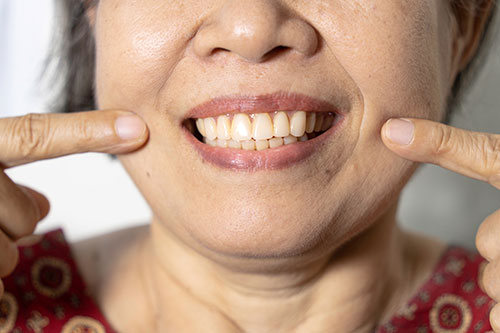
Should you choose removable dentures or fixed dental implants? If you are considering tooth replacement in Subang Jaya, Malaysia, the right option will depend on your oral health, comfort and treatment goals. Because missing teeth can affect how you chew, speak and feel about your smile, it helps to compare both options carefully. This can make it easier to decide which treatment may suit your needs.
Why Replacing Missing Teeth Matters
Replacing a missing tooth is not just about restoring your smile. Over time, the teeth beside the gap may shift, while the jawbone in that area can gradually lose volume because it is no longer being stimulated by the tooth root.
Missing teeth may also lead to:
Difficulty chewing certain foods
Changes in speech
Extra pressure on the remaining teeth
Changes in facial appearance as bone volume decreases
Less confidence when smiling or speaking
Because these changes can happen gradually, some people delay treatment when there is no pain. In some cases, delaying treatment can make tooth replacement more complex, particularly if significant bone loss develops.
What Are Dentures?
Dentures are removable tooth replacements used when several teeth or an entire row of teeth are missing. They can help restore chewing, speech and the appearance of your smile, and they may suit patients who prefer a non-surgical option.
Common types include:
Full Dentures: Full dentures replace all teeth in the upper or lower jaw and rest on the gums.
Partial Dentures: Partial dentures replace several missing teeth and use the remaining natural teeth for support.
Implant-Supported Dentures: Implant-supported dentures attach to dental implants for added stability and may move less during eating or speaking.
Treatment time varies depending on the number of teeth being replaced, whether extractions are needed and how quickly the mouth heals. In some cases, the process may take several weeks.
Why Some Patients Choose Dentures
Dentures may offer:
A lower upfront cost than dental implants
A non-surgical tooth replacement option
An option for patients with reduced jawbone volume
A shorter treatment process in some cases
The ability to replace several missing teeth at the same time
What Are Dental Implants?
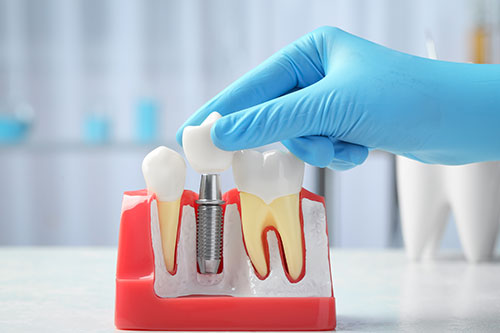
Dental implants are fixed tooth replacements that use small titanium posts placed in the jawbone to replace missing tooth roots. Once the implant has healed and bonded with the surrounding bone, it can support a crown, bridge or denture.
After placement, the implant goes through a healing process called osseointegration, during which the surrounding bone gradually bonds with the implant surface. This process often takes around 3 to 6 months before the final restoration is attached.
Some patients may need additional procedures, such as bone grafting or a sinus lift, before implant placement. In these cases, the overall treatment timeline may be longer.
Why Some Patients Choose Dental Implants
Dental implants may be considered because:
They stay fixed in place, so there is no need to remove them daily
They offer a stable foundation that can make chewing feel more comfortable and secure
Stimulation from the implant can help maintain jawbone volume around the missing tooth area
Support comes from the implant itself, so neighbouring teeth do not need to carry the replacement tooth
Dental Implants vs Dentures: Key Differences
Dentures and dental implants can both replace missing teeth, but they differ in how they feel, function and are maintained. Dentures are removable, while dental implants are fixed in the jawbone. The right option will depend on your oral health, lifestyle, budget and treatment goals.
Appearance and Feel
Dental implants remain fixed in place, which can make them feel closer to natural teeth during everyday activities. Dentures are designed to resemble natural teeth but may move slightly when speaking or eating, especially if the fit changes over time.
For patients who experience loose dentures, implant-supported options may provide added stability.
Eating and Chewing
Dental implants provide a stable base for chewing once healing is complete. This may make it easier to eat a wider range of foods.
Traditional dentures may require more adjustment, particularly when eating hard or chewy foods such as nuts, apples, or tougher meats. Some patients may need to cut food into smaller pieces or avoid foods that cause discomfort.
Speech and Comfort
Both dentures and dental implants may take some time to get used to. New dentures can initially affect speech or cause mild sore spots, and your dentist may need to make adjustments to improve the fit and comfort.
Dental implants stay fixed in place when you speak, but temporary soreness or swelling can occur after placement while the gums and surrounding tissues heal.
Jawbone Preservation
Dental implants replace the missing tooth root and transfer chewing forces to the jawbone, which can help maintain bone in the treated area. Traditional dentures do not replace the missing tooth root, so bone loss in the affected area may continue over time.
Cleaning and Maintenance
Dentures need to be removed and cleaned daily to remove food debris and plaque. They may also require soaking according to your dentist’s instructions.
Dental implants are generally cared for with regular brushing, interdental cleaning and dental check-ups. Although the implant itself cannot develop tooth decay, the surrounding gums still need proper care to reduce the risk of inflammation.
Durability and Longevity
Both dentures and dental implants require ongoing care. Dentures may need relining, adjustment or replacement as the gums and jawbone change over time.
Dental implants can remain functional for many years, although the crown, bridge or denture attached to them may eventually need repair or replacement. Longevity will depend on factors such as oral hygiene, gum health, smoking and regular dental care.
How Does a Dentist Decide Which Treatment Is Right for You?
Your dentist will assess your oral health, bone condition and treatment goals before recommending dentures, dental implants or another tooth replacement option. Even if you have been told that you have bone loss, procedures such as bone grafting or implant-supported dentures may still be considered depending on your condition.
The assessment may include:
An oral examination
An evaluation of your gums and jawbone
Dental X-rays or other imaging
A review of your medical history
A discussion of your treatment goals, preferences and budget
The most suitable option will vary from person to person. Age alone does not determine whether you are suitable for dental implants or dentures.
Get Personalised Advice on Dentures and Dental Implants
Choosing between dentures and dental implants depends on your oral health, jawbone condition, treatment goals, budget and personal preferences. At M Dental Clinic, your dentist can assess these factors and explain whether removable dentures, implant-supported dentures or dental implants may suit your needs.
Still unsure which option is right for you? Contact our clinic in Subang SS15 to ask questions or arrange a consultation. M Dental Clinic also has a branch in Damansara Uptown.
Contact

M Dental Clinic Subang SS15
32G, Jalan SS15/4, SS 15, 47500 Subang Jaya, Selangor
012-735 4931
012-735 4931
(Weekdays) 10am-9pm
(Weekends) 10am-7pm





M Dental Clinic Damansara Uptown
11-A-B, Jalan SS21/60, Damansara Utama, 47400, Petaling Jaya, Selangor
018-211 8328
018-211 8328
(Weekdays) 9am-6pm
(Weekends) 9am-5pm